Aardvarkツチブタ
Orycteropus aferLC— Least Concern
The aardvark is a nocturnal, burrowing mammal native to sub-Saharan Africa and the sole living member of the order Tubulidentata. It feeds almost exclusively on ants and termites, tearing into mounds with powerful claws and lapping up prey with a long, sticky tongue. Classified as Least Concern by the IUCN, it plays an outsized ecological role, since its burrows shelter numerous other species, including during wildfires.
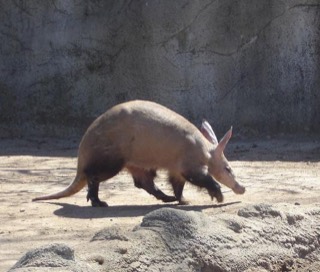 Aardvark (reference photo)

Species Data
- Classification
- Tubulidentata / Orycteropodidae Source
- Size
- Total length about 140–220 cm (including tail), shoulder height about 60–65 cm
- Weight
- About 40–100 kg
- Lifespan
- Captive: up to about 23 years (no reliable estimates are available for the wild)
- Diet
- Insectivore Insectivorous, feeding mainly on ants and termites; ants predominate in the dry season and termites in the rainy season, and it may eat up to 50,000 in a night
- Activity
- Nocturnal; travels 2–30 km a night while foraging
- Distribution
- The aardvark is widespread across sub-Saharan Africa, from Ethiopia to the Cape of Good Hope. It avoids rocky terrain and swamp forests, and is absent from Madagascar, coastal Namibia, Ivory Coast, and Ghana. Source
- Sources
- ja.wikipedia.org en.wikipedia.org
Did You Know?
- The aardvark has up to ten nasal conchae inside its nose — more than any other placental mammal — which underlies its exceptional sense of smell. Source
- Using a sticky tongue roughly 30 cm long, an aardvark can consume as many as 50,000 ants and termites in a single night. Source
- Aardvark burrows, even after being abandoned, provide crucial shelter for many other African species and can be lifesaving refuges during wildfires. Source
Where to See This Species
Operating facilities registered on this site: Japan 4
Himeji Shiritsu DoubutsuenHyogoOpened in 1951
Higashiyama Zoo and Botanical GardensAichiOpened in 1937
Shizuoka Municipal Nihondaira ZooShizuokaOpened in 1969
Source links to official sites, official YouTube channels, and news aggregators such as Zoo Ring. Visit the publisher for the full item.
Conservation Story
Conservation Status
Least Concern (LC)
Sources
Support Conservation
A visit is a small, positive way to support the daily lives of the animals you care about.
- Visit
- A visit itself helps support the facility.
- Animal Supporter Programs & Giving
- Find ways to support the facility through its official website.
- Furusato Nozei
- Municipally run facilities may share official guidance for this Japanese hometown-tax program.
FAQ
- What do aardvarks eat?
- Aardvarks feed almost entirely on ants and termites, favoring ants in the dry season and termites in the wet season. A single aardvark can eat as many as 50,000 insects in one night of foraging. Source
- Are aardvarks endangered?
- No. The IUCN lists the aardvark as Least Concern, since it remains widespread across sub-Saharan Africa. Source
- Why are aardvark burrows important to other animals?
- Aardvarks dig extensive burrow systems and frequently abandon old ones for new sites. These vacated burrows become vital shelter for many other African species, and can even serve as refuges during wildfires. Source
- How many operating facilities are registered here?
- Operating facilities registered on this site: Japan 4 Source
Books & gear
Source: ja.wikipedia.org