Japanese Geckoニホンヤモリ
Gekko japonicusNE— Not Evaluated
The Japanese gecko is a small, nocturnal lizard commonly seen on house walls across Honshu, Shikoku, Kyushu, eastern China, and the Korean Peninsula. Despite its species name "japonicus," it is now considered likely to have been introduced from the Asian mainland rather than being truly native to Japan. It preys on insects and other arthropods and is notable for a rare ability to perceive color even in very dim light; it is assessed as Least Concern.
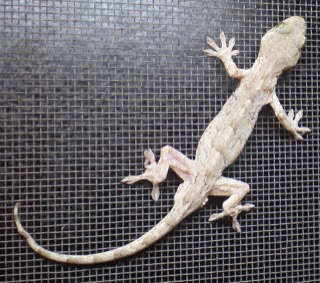 Japanese Gecko (reference photo)

Species Data
- Classification
- Squamata / Gekkonidae Source
- Size
- Total length about 10–14 cm
- Lifespan
- About 5–10 years in captivity
- Diet
- Insectivore Carnivorous, preying on terrestrial arthropods such as insects, spiders, and woodlice
- Distribution
- Found across Honshu (south of Akita Prefecture), Shikoku, Kyushu, and Tsushima in Japan, as well as eastern China and the Korean Peninsula; it commonly lives on the walls of houses near human settlements. Source
- Sources
- ja.wikipedia.org
Did You Know?
- Despite its species name "japonicus," it is now widely thought to be a species introduced from the Asian mainland through human activity rather than a true Japanese native. Source
- It has specialized rod cells that allow it to distinguish colors even in near-darkness, a rare ability demonstrated in research on its vision. Source
Where to See This Species
Operating facilities registered on this site: Japan 1
Kiryuugaoka DoubutsuenGunmaIf driving, set your car navigation to "Kiryugaoka Amusement Park" (Kiryugaoka Yuenchi) rather than "Kiryugaoka Zoo" to reach the parking lot (searching by the zoo name may give an incorrect route).
Conservation Story
Conservation Status
Not Evaluated (NE)
Sources
Support Conservation
A visit is a small, positive way to support the daily lives of the animals you care about.
- Visit
- A visit itself helps support the facility.
- Animal Supporter Programs & Giving
- Find ways to support the facility through its official website.
- Furusato Nozei
- Municipally run facilities may share official guidance for this Japanese hometown-tax program.
FAQ
- Is the Japanese gecko actually native to Japan?
- Despite its scientific name, most evidence suggests it was introduced to Japan from the Asian mainland through human activity rather than being a true native species. Source
- Can it see in the dark?
- Yes—it has specialized rod cells that let it distinguish colors even in near-total darkness, an unusual trait among vertebrates. Source
- How many operating facilities are registered here?
- Operating facilities registered on this site: Japan 1 Source
Books & gear
Source: ja.wikipedia.org en.wikipedia.org