Trumpeter Swanナキハクチョウ

Cygnus buccinatorLC— Least Concern

The trumpeter swan is the largest waterfowl in the world and the heaviest bird native to North America, living on lakes and wetlands from Alaska to the northwestern United States. It is pure white with a black bill and feet and is named for its resonant, trumpet-like call. Hunted to fewer than 70 known wild birds by 1933, it has recovered to tens of thousands and is now listed as Least Concern by the IUCN.

Operating facilities registered on this site: Japan 0 · Overseas 1. No facility is currently confirmed by resident animal records or official facility information.
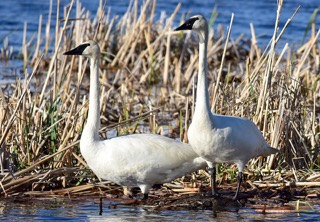
Trumpeter Swan (reference photo)
Photo: USFWS Mountain-Prairie / Public domain / Source / cropped

Species Data

Classification
Anseriformes / Anatidae Source
Size
Total length 138–165 cm (large males exceed 180 cm), wingspan 185–305 cm; the largest living waterfowl
Weight
7–13.6 kg
Lifespan
Wild: at least 24 years / Captive: recorded up to 33 years
Diet
Herbivore Mainly the leaves, stems, roots and tubers of aquatic plants, with grasses and grain in winter; cygnets first add insects, small fish and crustaceans
Activity
Feeds by night as well as by day
Distribution
Lives on rivers, lakes, marshes and sheltered bays in Alaska, western Canada and the northwestern United States, and does not make long-distance migrations. Source

Did You Know?

  • The species name buccinator comes from the bucina, a Roman military trumpet; both its English and Japanese names refer to its far-carrying call. Source
  • Its eggs average about 11 cm long and 320 g, probably the largest laid by any living flying bird. Source
  • Fewer than 70 wild birds were known in 1933, but the discovery of several thousand in Alaska and careful reintroductions lifted the population to over 46,000 by 2010. Source

Where to See This Species

Operating facilities registered on this site: Japan 0 · Overseas 1

Los Angeles Zoo and Botanical GardensOpened in 1966

No.0214In residence

Dewey

Dewey

Trumpeter SwanCygnus buccinator

Sex
Male
Born
Unknown
LC— Least Concern
No.1342In residence

Webby

Webby

Trumpeter SwanCygnus buccinator

Sex
Female
Born
Unknown
LC— Least Concern

Conservation Story

Conservation Status

Least Concern (LC)

Sources

en.wikipedia.org

Support Conservation

A visit is a small, positive way to support the daily lives of the animals you care about.

Visit
A visit itself helps support the facility.
Animal Supporter Programs & Giving
Find ways to support the facility through its official website.

FAQ

Where can I see Trumpeter Swan in Japan?
Operating facilities registered on this site: Japan 0 · Overseas 1. No facility is currently confirmed by resident animal records or official facility information. Source
How big is a trumpeter swan?
Adults usually measure 138–165 cm long and weigh 7–13.6 kg, making it the largest living waterfowl and one of the heaviest flying birds. Source
What do trumpeter swans eat?
Almost entirely aquatic plants—leaves, stems, roots and tubers—with grasses and grain taken in winter; young cygnets also eat insects and small fish. Source
Why did trumpeter swans nearly disappear?
Heavy hunting for meat, feathers and skins in the 19th and early 20th centuries cut the known wild population to fewer than 70 birds by 1933; lead poisoning remains a threat today. Source

Books & gear

Source: ja.wikipedia.org en.wikipedia.org