Axolotlウーパールーパー
Ambystoma mexicanumCR— Critically Endangered
The axolotl is a neotenic salamander endemic to the Xochimilco lake system near Mexico City, remaining in its aquatic, gilled larval form throughout its life instead of metamorphosing into a terrestrial adult. Renowned for its ability to regenerate limbs, spinal tissue, and even parts of the heart, it is a major model organism in regenerative medicine research. Despite being Critically Endangered in the wild, with only a few hundred to a thousand individuals estimated to remain, it is one of the most widely kept amphibians in captivity worldwide, particularly popular in Japan since the 1980s.
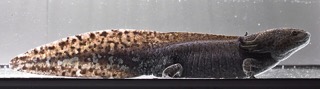 Axolotl (reference photo)

Species Data
- Classification
- Urodela (Caudata) / Ambystomatidae Source
- Size
- Total length 10–25 cm, most commonly around 23 cm (females reach a maximum of about 21 cm)
- Weight
- Unknown
- Lifespan
- 10–15 years in the wild; some captive individuals also live about 15 years
- Diet
- Carnivore Carnivorous, preying on mollusks, worms, aquatic insects, crustaceans, and small fish
- Activity
- Fully aquatic, with nocturnal tendencies
- Distribution
- Endemic to the freshwater lake system of Xochimilco (historically also Lake Chalco) in the Valley of Mexico, with wild numbers collapsing due to habitat loss, pollution, and invasive species. Source
- Sources
- ja.wikipedia.org en.wikipedia.org
Did You Know?
- Axolotls exhibit neoteny, reaching sexual maturity while retaining their larval form—external gills and all—and remain fully aquatic their entire lives instead of undergoing metamorphosis. Source
- Axolotls can regenerate not only lost limbs and tails but also parts of the spinal cord and heart, making them a key model organism in regenerative medicine research worldwide. Source
- In the wild, the species is Critically Endangered on the IUCN Red List, with the adult population in Lake Xochimilco estimated at only 50 to 1,000 individuals, even as it became a household pet in Japan following a 1980s Nissin Foods ad campaign that popularized the name "Wooper Looper." Source
Where to See This Species
Operating facilities registered on this site: Japan 2
Kasumigaurashi SuizokukanIbarakiAbout 35 minutes by car from the Chiyoda-Ishioka IC or Tsuchiura-Kita IC on the Joban Expressway.
Sunshine AquariumTokyoFrom Ikebukuro Station (Exit 35), walk along Sunshine 60 Street.
Source links to official sites, official YouTube channels, and news aggregators such as Zoo Ring. Visit the publisher for the full item.
Conservation Story
Conservation Status
Critically Endangered (CR)
Sources
Support Conservation
A visit is a small, positive way to support the daily lives of the animals you care about.
- Visit
- A visit itself helps support the facility.
- Animal Supporter Programs & Giving
- Find ways to support the facility through its official website.
- Furusato Nozei
- Municipally run facilities may share official guidance for this Japanese hometown-tax program.
FAQ
- Why doesn't the axolotl ever turn into a land-dwelling salamander?
- Axolotls exhibit neoteny, meaning they reach full sexual maturity while retaining their larval, gilled, aquatic form rather than undergoing metamorphosis into a terrestrial adult like most salamanders. Source
- What makes axolotls important for science?
- Their extraordinary regenerative ability—regrowing entire limbs and tails and even repairing parts of the spinal cord and heart—makes them one of the most important model organisms in regenerative medicine research. Source
- Are axolotls endangered in the wild?
- Yes, critically so. The IUCN lists the axolotl as Critically Endangered, with the wild population confined to the Xochimilco lake system near Mexico City and estimated at only 50 to 1,000 adults due to habitat loss, pollution, and invasive species. Source
- How many operating facilities are registered here?
- Operating facilities registered on this site: Japan 2 Source
Books & gear
Source: ja.wikipedia.org en.wikipedia.org