Galápagos Penguinガラパゴスペンギン
Spheniscus mendiculusEN— Endangered
The Galápagos penguin is the only penguin species found north of the equator, living exclusively on Ecuador's Galápagos Islands. With only about 1,200 mature individuals left, it is highly vulnerable to El Niño events that can slash its population by more than half in a single season.
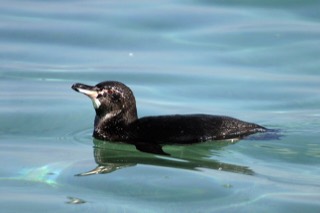 Galápagos Penguin (reference photo)
_male.jpg)
Species Data
- Classification
- Sphenisciformes / Spheniscidae Source
- Size
- 48–53 cm
- Weight
- About 1.7–4 kg
- Lifespan
- Thought to be about 15–20 years in the wild; individuals over 11 years old have been recorded
- Diet
- Piscivore Feeds mainly on small fish 1–15 cm long such as mullet and sardines, as well as crustaceans
- Distribution
- Endemic to the Galápagos Islands, Ecuador; about 90% of the population lives on Fernandina Island and the west coast of Isabela Island. It is the only penguin species found north of the equator. Source
- Sources
- ja.wikipedia.org en.wikipedia.org
Did You Know?
Where to See This Species
Operating facilities registered on this site: Japan 1
How to tell Penguins apart →Hamamatsu Zoological GardensShizuokaOpened in 1950
Conservation Story
Conservation Status
Endangered (EN)
Sources
Support Conservation
A visit is a small, positive way to support the daily lives of the animals you care about.
- Visit
- A visit itself helps support the facility.
- Animal Supporter Programs & Giving
- Find ways to support the facility through its official website.
- Furusato Nozei
- Municipally run facilities may share official guidance for this Japanese hometown-tax program.
FAQ
- Why is the Galápagos penguin endangered?
- Strong El Niño events have repeatedly caused population crashes of 50–77% by disrupting the cold-water currents that bring its fish prey, and it also faces introduced predators, fishing bycatch, and tourism disturbance. Source
- How does the Galápagos penguin survive equatorial heat?
- It rests in shade, seeks out cool water and rocky crevices, and pants to release heat, since as the lowest-latitude penguin it must cope with far warmer conditions than any of its relatives. Source
- How many operating facilities are registered here?
- Operating facilities registered on this site: Japan 1 Source
Books & gear
Source: ja.wikipedia.org en.wikipedia.org www.iucnredlist.org