Genji Fireflyゲンジボタル
Nipponoluciola cruciataNE— Not Evaluated
The Genji firefly is a large firefly endemic to Japan, famous for the synchronized flashing displays of its males over clean, slow-flowing streams in early summer. Its aquatic larvae feed exclusively on freshwater snails, making the species a living indicator of unpolluted water.
Operating facilities registered on this site: Japan 0. No facility is currently confirmed by resident animal records or official facility information.
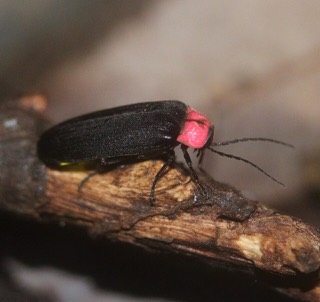 Genji Firefly (reference photo)

Species Data
- Classification
- Coleoptera / Lampyridae Source
- Size
- Adult body length around 15 mm (males 10.5–16.5 mm, females 15.0–18.6 mm), a large species among Japanese fireflies
- Lifespan
- About 1 year from egg to adult; adults do not feed and live only about 2–3 weeks
- Diet
- Carnivore Larvae feed exclusively on the freshwater snail Semisulcospira found in clear streams, biting into the soft body and dissolving it with digestive fluid; adults essentially do not eat
- Activity
- Nocturnal (flies and courts at night while glowing)
- Distribution
- Endemic to Japan, native to Honshu (south of Yokohama-machi, Aomori), Shikoku, and Kyushu along clean streams; introduced populations also exist in Hokkaido and Hachijo-jima. Source
- Sources
- ja.wikipedia.org en.wikipedia.org
Did You Know?
- In 2022, the species was reclassified from the genus Luciola into the newly established genus Nipponoluciola. Source
- Males, which have light organs on their sixth and seventh abdominal segments, flash while flying, while flightless females (with a light organ only on the sixth segment) answer with single pulses near the ground; flash intervals differ regionally, roughly two seconds in western Japan and four seconds in eastern Japan. Source
Where to See This Species
Operating facilities registered on this site: Japan 0
Verified individual animals and facilities will be added as official information becomes available.
Possible records, not yet confirmed: 2
These facilities are not confirmed by an official animal list. They appear in secondary sources such as Wikipedia; check the facility’s official website for current exhibits.
Kyoto City ZooKyotoOpened in 1903
(Not confirmed by official sources) Source
Toyama Municipal Family Park ZooToyamaOpened in 1984
(Not confirmed by official sources) Source
Conservation Story
Conservation Status
Not Evaluated (NE)
Sources
Support Conservation
A visit is a small, positive way to support the daily lives of the animals you care about.
- Visit
- A visit itself helps support the facility.
- Animal Supporter Programs & Giving
- Find ways to support the facility through its official website.
FAQ
- Where can I see Genji Firefly in Japan?
- Operating facilities registered on this site: Japan 0. No facility is currently confirmed by resident animal records or official facility information. Source
- What do Genji firefly larvae eat?
- The aquatic larvae feed almost exclusively on a freshwater snail called Semisulcospira libertina (kawanina), biting into the soft body and digesting it externally before eating it. Source
- How long do adult Genji fireflies live?
- Adults live for only about two to three weeks after emerging, and unlike their larvae, they do not feed during this stage. Source
- Why does flashing pattern differ between regions?
- Populations in western Japan flash at roughly two-second intervals while those in eastern Japan flash at about four-second intervals, a well-documented regional difference in this species' courtship signaling. Source
Books & gear
Source: ja.wikipedia.org en.wikipedia.org