Giant Anteaterオオアリクイ
Myrmecophaga tridactylaVU— Vulnerable
The giant anteater (Myrmecophaga tridactyla) is a large, distinctive insectivore of Central and South American grasslands and forests, recognized by its elongated snout, bushy tail, and bold black-and-white shoulder stripe. It uses a 60 cm tongue to consume roughly 35,000 ants and termites a day. Listed as Vulnerable by the IUCN, its population has declined more than 30% over three generations, and it is especially vulnerable to wildfires.
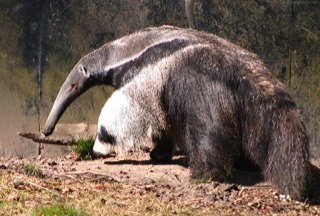 Giant Anteater (reference photo)

Species Data
- Classification
- Pilosa / Myrmecophagidae Source
- Size
- Head-body length 100–120 cm, tail 65–90 cm (total length 182–217 cm)
- Weight
- Males 33–50 kg, females 27–47 kg
- Lifespan
- Wild: about 15–16 years / captive: about 25 years (record 31 years)
- Diet
- Insectivore Insectivore feeding mainly on ants and termites; raids up to 200 nests a day and consumes about 35,000 insects
- Activity
- Nocturnal in warm periods, becoming diurnal when temperatures drop
- Distribution
- Ranges from Honduras through Central and South America to Bolivia and northern Argentina. It has been extirpated from Uruguay, Belize, El Salvador, and Guatemala. Source
- Sources
- ja.wikipedia.org en.wikipedia.org
Did You Know?
- Its tongue reaches about 60 cm in length and flicks in and out roughly 160 times per minute to capture ants. Source
- Its body temperature is around 33°C, unusually low for a mammal, reflecting its slow metabolism. Source
- Because of its large front claws, it walks on its knuckles like gorillas and chimpanzees. Source
Where to See This Species
Operating facilities registered on this site: Japan 9
Yokohama Shiritsu Yokohama DoubutsuenKanagawaOpened in 1999
Yokohama Shiritsu Nogeyama DoubutsuenKanagawaOpened in 1951
SHIZEN ZOOTokyoAbout a 15-minute walk from the north exit of Nishi-Kasai Station on the Tokyo Metro Tozai Line, or about a 20-minute walk from the south exit of Funabori Station on the Toei Shinjuku Line.
Noichi Zoological Park of Kochi PrefectureKochiA 20-minute walk or 13-minute rental-bicycle ride from Noichi Station on the Tosa Kuroshio Railway Gomen-Nahari Line.
TOBU ZOOSaitamaFrom Tobu-Dobutsu-Koen Station (west exit), about 10 minutes on foot (600 m) or about 5 minutes by bus.
Higashiyama Zoo and Botanical GardensAichiOpened in 1937
Okinawa Zoo & MuseumOkinawaOpened in 1970
KOBE ANIMAL KINGDOMHyogoRight by Keisan Kagaku Center Station (Kobe Animal Kingdom / Fugaku-mae) on the Port Liner.
- 【識別】ズーラシアで「ここが違う、双子の子オオアリクイたち」他 本日の注目情報セレクション
- 【東山動植物園公式】オオアリクイのアイリス《 オオアリクイ アリクイ 》
- 【はぁと】ズーラシアで「健康快便オオアリクイの赤ちゃん」他 本日の注目情報セレクション
- 妃南と結平親子 #オオアリクイ
- 【日本平動物園】オオアリクイ「フジオ」お別れガイド #日本平動物園 #nihondairazoo #オオアリクイ #giantAnteater #動物 #癒し #zoo #shorts
- オオアリクイの鳴き声 Listen to the unique vocalizations of the giant anteater
Source links to official sites, official YouTube channels, and news aggregators such as Zoo Ring. Visit the publisher for the full item.
Conservation Story
Conservation Status
Vulnerable (VU)
Sources
Support Conservation
A visit is a small, positive way to support the daily lives of the animals you care about.
- Visit
- A visit itself helps support the facility.
- Animal Supporter Programs & Giving
- Find ways to support the facility through its official website.
- Furusato Nozei
- Municipally run facilities may share official guidance for this Japanese hometown-tax program.
FAQ
- What does a giant anteater eat?
- It feeds almost exclusively on ants and termites, raiding up to 200 nests and eating about 35,000 insects in a single day. Source
- How long do giant anteaters live?
- Wild individuals live around 15 years, while those in captivity often live close to 25 years, with one record reaching 31 years. Source
- Why are giant anteaters vulnerable to fire?
- Their coarse coat ignites easily and they cannot move fast enough to escape wildfires, making fire one of the greatest threats to the species. Source
- How many operating facilities are registered here?
- Operating facilities registered on this site: Japan 9 Source
Books & gear
Source: ja.wikipedia.org