North American River Otterカナダカワウソ
Lontra canadensisLC— Least Concern
The North American river otter is a highly aquatic member of the weasel family found throughout Canada and the United States, feeding primarily on fish. Its long, sensitive whiskers help it detect prey in murky water, and its dens typically have multiple tunnel entrances, at least one opening directly into the water. Reintroduction programs since 1976 have restored otter populations across more than 20 US states, and the species is classified as Least Concern.
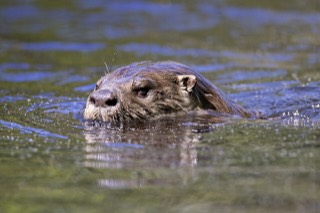 North American River Otter (reference photo)
_-_Lake_Nummy,_Belleplain_State_Forest,_New_Jersey,_USA.jpg)
Species Data
- Classification
- Carnivora / Mustelidae Source
- Size
- Body length 66–107 cm (tail 32–46 cm)
- Weight
- 5–13.7 kg
- Lifespan
- Wild: about 13 years / captive: record of 25 years
- Diet
- Piscivore Feeds mainly on fish, as well as amphibians such as frogs, crustaceans such as crayfish, and small mammals and birds
- Distribution
- Widespread across Canada and the United States, with records extending into Tamaulipas, Mexico; it is currently rare or absent in several central US states. Source
- Sources
- ja.wikipedia.org en.wikipedia.org
Did You Know?
- Populations along Canada's Pacific coast defecate on land, transporting nutrients from aquatic ecosystems onto shore and boosting the abundance of terrestrial birds. Source
- Due to delayed implantation, gestation appears to last 10–12 months, but actual fetal development takes only 61–63 days. Source
- Since 1976, more than 4,000 otters have been reintroduced across 21 US states, successfully restoring populations in many regions. Source
Where to See This Species
Operating facilities registered on this site: Japan 2
How to tell Sea Otters vs. River Otters apart →Noichi Zoological Park of Kochi PrefectureKochiA 20-minute walk or 13-minute rental-bicycle ride from Noichi Station on the Tosa Kuroshio Railway Gomen-Nahari Line.
Moriokashi Doubutsu KouenIwateOpened in 1989
Conservation Story
Conservation Status
Least Concern (LC)
Sources
Support Conservation
A visit is a small, positive way to support the daily lives of the animals you care about.
- Visit
- A visit itself helps support the facility.
- Animal Supporter Programs & Giving
- Find ways to support the facility through its official website.
- Furusato Nozei
- Municipally run facilities may share official guidance for this Japanese hometown-tax program.
FAQ
- What do North American river otters eat?
- Fish make up the vast majority of their diet — over 90% in some studies — supplemented by crayfish, amphibians, and occasionally small mammals or birds. Source
- How do river otters find prey in murky water?
- They rely on long, sensitive whiskers to detect the movement of fish and other prey even when visibility underwater is poor. Source
- Have river otter populations recovered from historical declines?
- Yes. Since 1976, more than 4,000 otters have been reintroduced across 21 US states, successfully restoring populations in many areas where they had disappeared. Source
- How many operating facilities are registered here?
- Operating facilities registered on this site: Japan 2 Source
Books & gear
Source: ja.wikipedia.org en.wikipedia.org