Barbary Sheepバーバリーシープ
Ammotragus lerviaVU— Vulnerable
The Barbary sheep, or aoudad, is a rugged goat-antelope native to the rocky, arid mountains of North Africa, well adapted to heat and water scarcity. It forages on grasses, shrubs, and lichens during the cooler hours of dawn and dusk, resting in rocky shelter through the heat of the day. Hunting, habitat loss, and competition with livestock have driven declines in its native range, and the IUCN lists it as Vulnerable, even as introduced populations thrive in places like Texas and Spain.
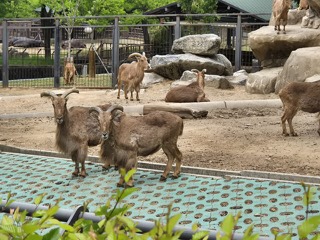 Barbary Sheep (reference photo)

Species Data
- Classification
- Artiodactyla / Bovidae Source
- Size
- Body length about 130–165 cm; shoulder height about 90–112 cm in males and about 75–90 cm in females
- Weight
- About 100–145 kg (some sources give a range starting in the 30 kg range)
- Lifespan
- Captive: about 15–24 years
- Diet
- Herbivore Herbivorous, eating grasses, leaves, and fruit; adapted to arid regions, it obtains most of its water from food and metabolism
- Activity
- Crepuscular or nocturnal; rests in the shade of rocks or in caves during the day
- Distribution
- Barbary sheep are native to North Africa, including Algeria, Chad, Egypt, Libya, Mali, Mauritania, Morocco, Niger, Tunisia, and Western Sahara. Source
- Sources
- ja.wikipedia.org en.wikipedia.org
Did You Know?
- Barbary sheep can bury their faces in the long fringe of hair on their throat and chest, which is thought to help keep windblown sand and dust out of their nostrils. Source
- Barbary sheep are highly agile on steep terrain and are capable of a standing jump of more than 2 meters (7 feet). Source
- Populations introduced to Spain in 1970 and Texas in 1957–1958 have become established, and in some areas have grown large enough to raise ecological concerns. Source
Where to See This Species
Operating facilities registered on this site: Japan 3
Hirakawa ZooKagoshimaAbout a 20-minute walk from Goino Station on the JR Ibusuki-Makurazaki Line, or take a bus bound for Taniyama / Dobutsuen from Fukuhira Nokyo-mae to the last stop.
Fuji Safari ParkShizuokaOpened in 1980
Fukuoka Zoo & Botanical GardenFukuokaOpened in 1953
Conservation Story
Conservation Status
Vulnerable (VU)
Sources
Support Conservation
A visit is a small, positive way to support the daily lives of the animals you care about.
- Visit
- A visit itself helps support the facility.
- Animal Supporter Programs & Giving
- Find ways to support the facility through its official website.
- Furusato Nozei
- Municipally run facilities may share official guidance for this Japanese hometown-tax program.
FAQ
- Why is the Barbary sheep considered Vulnerable in its native range?
- Hunting, both legal and illegal, along with habitat destruction, competition from overgrazing livestock, and drought, have driven population declines across North Africa. Source
- How agile is the Barbary sheep on steep terrain?
- Very agile — it can perform a standing jump of more than 2 meters and moves confidently across steep, rocky mountainsides. Source
- Has the Barbary sheep been introduced outside Africa?
- Yes. It was introduced to Texas in 1957–1958 and to Spain in 1970, and both introduced populations have become well established, sometimes raising ecological concerns. Source
- How many operating facilities are registered here?
- Operating facilities registered on this site: Japan 3 Source
Books & gear
Source: ja.wikipedia.org en.wikipedia.org