Magellanic Penguinマゼランペンギン
Spheniscus magellanicusLC— Least Concern
The Magellanic penguin is a medium-sized banded penguin that breeds along the Patagonian coasts of Argentina and Chile and on the Falkland Islands, migrating north to Peru and Brazil outside the breeding season. It feeds mainly on small schooling fish such as anchovies, supplemented by squid and krill. Although listed as Least Concern, it faces mounting pressure from oil pollution, fisheries bycatch, and climate-driven shifts in prey availability.
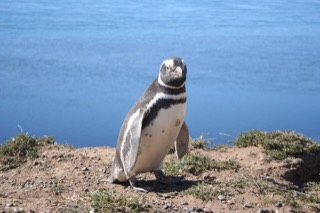 Magellanic Penguin (reference photo)

Species Data
- Classification
- Sphenisciformes / Spheniscidae Source
- Size
- Total length 65–72 cm
- Weight
- 2.7–6.5 kg
- Lifespan
- Wild: about 10 years (long-lived individuals 15–20 years) / captive: up to 35 years
- Diet
- Piscivore Feeds mainly on small fish (sprat, hake, anchovy, etc.), along with squid and krill
- Distribution
- Breeding colonies occupy coastal Patagonia in Argentina, Chile, and the Falkland Islands; birds migrate north to waters off Peru and Brazil during winter. Source
- Sources
- ja.wikipedia.org en.wikipedia.org
Did You Know?
Where to See This Species
Operating facilities registered on this site: Japan 8
How to tell Penguins apart →Nagasakipengin SuizokukanNagasakiOpened in 2001
Sumida AquariumTokyoRight by Tokyo Skytree Station on the Tobu Skytree Line.
Ishikawa DoubutsuenIshikawaAbout 60 minutes from the Kanazawa-Morimoto Interchange on the Hokuriku Expressway, about 40 minutes from the Kanazawa-Nishi Interchange, and about 20 minutes from the Komatsu Interchange.
NOTOJIMA AQUARIUMIshikawaThe nearest station is Wakura-Onsen Station.
Utsunomiya DoubutsuenTochigiAbout 5 minutes from the Utsunomiya IC on the Tohoku Expressway; free parking for 1,000 cars.
Noichi Zoological Park of Kochi PrefectureKochiA 20-minute walk or 13-minute rental-bicycle ride from Noichi Station on the Tosa Kuroshio Railway Gomen-Nahari Line.
Kobe Suma Sea WorldHyogoOpened in 2024
Former facilities
Shima MarinelandMieOpened in 1970
Closed: 2021-03-31 Official Site
- シルバーウィーク期間 営業時間延長のお知らせ
- てとてと🐧 #池田動物園 #岡山 #マゼランペンギン
- てとてと🐧 #池田動物園 #動物 #マゼランペンギン
- 8月1日(土) 新エリア オープン!
- 水の中を飛んどるが🐧✨ #池田動物園 #マゼランペンギン #岡山
- 【神戸須磨シーワールド】マゼランペンギン 展示プールデビュー
Source links to official sites, official YouTube channels, and news aggregators such as Zoo Ring. Visit the publisher for the full item.
Conservation Story
Conservation Status
Least Concern (LC)
Sources
Support Conservation
A visit is a small, positive way to support the daily lives of the animals you care about.
- Visit
- A visit itself helps support the facility.
- Animal Supporter Programs & Giving
- Find ways to support the facility through its official website.
- Furusato Nozei
- Municipally run facilities may share official guidance for this Japanese hometown-tax program.
FAQ
- Why is it called the Magellanic penguin?
- It is named after the explorer Ferdinand Magellan, who first recorded the species in 1520. Source
- How long do Magellanic penguins live?
- They typically live around 10 years in the wild, with some reaching 15–20 years; in captivity they can live up to 30–40 years. Source
- What is the biggest threat to Magellanic penguins?
- Oil pollution is a major threat, estimated to kill around 42,000 birds a year off Argentina, along with fisheries bycatch and climate-driven changes in prey distribution. Source
- How many operating facilities are registered here?
- Operating facilities registered on this site: Japan 8 Source
Books & gear
Source: ja.wikipedia.org en.wikipedia.org