Leopardヒョウ
Panthera pardusVU— Vulnerable
The leopard is a powerful, solitary big cat with the widest geographic range of any wild cat, found across Africa and Asia from the Arabian Peninsula to the Russian Far East. It is an opportunistic nocturnal hunter that famously hoists heavy kills into trees to avoid losing them to lions and hyenas. Once widespread, its populations are now fragmented and declining, and the IUCN lists it as Vulnerable.
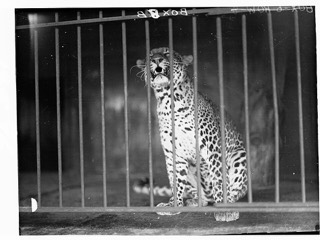 Leopard (reference photo)
.jpg)
Species Data
- Classification
- Carnivora / Felidae Source
- Size
- Head-body length 92–183 cm, tail 66–102 cm
- Weight
- Males 30.9–72 kg, females 20.5–43 kg
- Lifespan
- Wild: 12–17 years / captive: up to 24 years 2 months
- Diet
- Carnivore Carnivorous, preying mainly on medium ungulates such as impala and waterbuck, as well as rodents and primates
- Activity
- Nocturnal
- Distribution
- The leopard has the widest range of any wild cat, spanning Africa and Asia from the Arabian Peninsula to Southeast Asia and the Russian Far East, though its populations are increasingly fragmented and declining. Source
- Sources
- ja.wikipedia.org en.wikipedia.org
Did You Know?
- Leopards live and hunt solitarily, dragging carcasses up trees to feed over several days; one documented leopard hauled a 125 kg young giraffe 5.7 meters up a tree. Source
- Each leopard's rosette pattern is unique to the individual and serves as camouflage in dappled vegetation. Source
- Cub mortality in the first year is 41–50%, partly because males sometimes commit infanticide to bring females back into breeding condition. Source
Where to See This Species
Operating facilities registered on this site: Japan 10
Tobe Zoological Park of Ehime PrefectureEhimeOpened in 1988
Yokohama Shiritsu Nogeyama DoubutsuenKanagawaOpened in 1951
Iwate SafariParkIwateAbout 45 minutes from the Ichinoseki IC, about 30 minutes from the Wakayanagi-Kannari IC, or about 25 minutes via National Route 284.
Kyoto City ZooKyotoOpened in 1903
Kumamotoshi DoushokubutsuenKumamotoTake the tram bound for Kengun and get off at the Doshokubutsuen-Iriguchi stop, then walk 10 minutes.
Himeji Shiritsu DoubutsuenHyogoOpened in 1951
Fuji Safari ParkShizuokaOpened in 1980
Fukuoka Zoo & Botanical GardenFukuokaOpened in 1953
Source links to official sites, official YouTube channels, and news aggregators such as Zoo Ring. Visit the publisher for the full item.
Conservation Story
Conservation Status
Vulnerable (VU)
Sources
Support Conservation
A visit is a small, positive way to support the daily lives of the animals you care about.
- Visit
- A visit itself helps support the facility.
- Animal Supporter Programs & Giving
- Find ways to support the facility through its official website.
- Furusato Nozei
- Municipally run facilities may share official guidance for this Japanese hometown-tax program.
- Support Tobe Zoological Park of Ehime Prefecture
- Support Yokohama Shiritsu Nogeyama Doubutsuen
- Support Iwate SafariPark
- Support Kyoto City Zoo
- Support Kumamotoshi Doushokubutsuen
- Support OJI ZOO
- Support Ueno Zoo
- Support Himeji Shiritsu Doubutsuen
- Support Fuji Safari Park
- Support Fukuoka Zoo & Botanical Garden
FAQ
- Why do leopards drag their prey up trees?
- By hauling carcasses into trees, leopards keep their kills out of reach of lions, hyenas, and other scavengers, allowing them to feed over several days. Source
- Are leopards endangered?
- The IUCN classifies the leopard as Vulnerable. Although it has the widest range of any wild cat, its populations are fragmented and declining across much of that range. Source
- Do leopards live in groups?
- No. Leopards are solitary animals outside of mating and mother-cub relationships, each maintaining its own territory. Source
- How many operating facilities are registered here?
- Operating facilities registered on this site: Japan 10 Source
Books & gear
Source: ja.wikipedia.org en.wikipedia.org