Scarlet Ibisショウジョウトキ
Eudocimus ruberLC— Least Concern
The scarlet ibis is a strikingly colored wading bird native to the coasts and mangrove wetlands of northern South America and parts of the Caribbean. Its brilliant scarlet plumage comes from carotenoid pigments obtained from the crustaceans, insects, and small aquatic animals it eats, developing gradually as juveniles molt from dull grey-brown feathers over about two years. It is one of the national birds of Trinidad and Tobago.
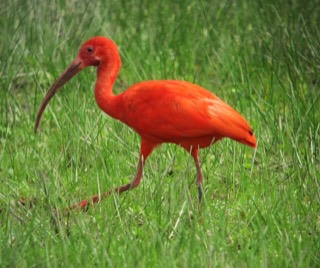 Scarlet Ibis (reference photo)
.jpg)
Species Data
- Classification
- Pelecaniformes / Threskiornithidae Source
- Size
- Total length 55–63 cm
- Weight
- About 1.4 kg (males)
- Lifespan
- Wild: about 16 years / captive: about 20 years
- Diet
- Carnivore Feeds mainly on small animals such as insects (especially scarab beetles), crustaceans such as shrimp, mollusks, frogs, and small fish
- Distribution
- Found in South America and some Caribbean islands, including Brazil, Colombia, Venezuela, Guyana, Suriname, and Trinidad and Tobago. Source
- Sources
- ja.wikipedia.org en.wikipedia.org
Did You Know?
- Juveniles are grey and brown; their coloration develops over about two years as they feed on carotenoid-rich prey. Source
- Its red color comes from astaxanthin, a carotenoid pigment obtained from the crustaceans and other prey it eats. Source
- It is one of the national birds of Trinidad and Tobago. Source
Where to See This Species
Operating facilities registered on this site: Japan 9
Adventure WorldWakayamaOpened in 1978
Kawasuikawasaki SuizokukanKanagawaRight by the East Exit of JR Kawasaki Station.
Wan Park Kouchianimaru LandKochiAddress: 6-9-1 Sanbashi-dori, Kochi (inside Wanpark Kochi).
Utsunomiya DoubutsuenTochigiAbout 5 minutes from the Utsunomiya IC on the Tohoku Expressway; free parking for 1,000 cars.
Noichi Zoological Park of Kochi PrefectureKochiA 20-minute walk or 13-minute rental-bicycle ride from Noichi Station on the Tosa Kuroshio Railway Gomen-Nahari Line.
Sapporoshimaruyama DoubutsuenHokkaidoOpened in 1951
Hirakawa ZooKagoshimaAbout a 20-minute walk from Goino Station on the JR Ibusuki-Makurazaki Line, or take a bus bound for Taniyama / Dobutsuen from Fukuhira Nokyo-mae to the last stop.
TOBU ZOOSaitamaFrom Tobu-Dobutsu-Koen Station (west exit), about 10 minutes on foot (600 m) or about 5 minutes by bus.
Hamamatsu Zoological GardensShizuokaOpened in 1950
Source links to official sites, official YouTube channels, and news aggregators such as Zoo Ring. Visit the publisher for the full item.
Conservation Story
Conservation Status
Least Concern (LC)
Sources
Support Conservation
A visit is a small, positive way to support the daily lives of the animals you care about.
- Visit
- A visit itself helps support the facility.
- Animal Supporter Programs & Giving
- Find ways to support the facility through its official website.
- Furusato Nozei
- Municipally run facilities may share official guidance for this Japanese hometown-tax program.
FAQ
- Why is the scarlet ibis so brightly colored?
- Its red color comes from astaxanthin, a carotenoid pigment obtained from the crustaceans and other prey it eats. Source
- Are baby scarlet ibises red?
- No, chicks hatch grey and brown and take about two years to develop their full scarlet coloring as they feed on carotenoid-rich prey. Source
- What does the scarlet ibis eat?
- It feeds mainly on insects, crustaceans, mollusks, frogs, and small fish found in coastal mangroves and mudflats. Source
- How many operating facilities are registered here?
- Operating facilities registered on this site: Japan 9 Source
Books & gear
Source: ja.wikipedia.org en.wikipedia.org